
CROPS
95% of the food we eat comes directly or indirectly from the soil. Water, soil and all that it encompasses are essential for the correct development of crops.
95% of the food we consume, either directly or indirectly, comes from the soil. Given its essential role in food production, it is crucial to ensure proper care and management of this resource to obtain crops of the highest quality. Water, soil, and all related factors are indispensable for healthy crop development.
To achieve optimal production, integrated crop management must include advanced techniques for soil preparation and sowing, considering factors such as soil texture, water retention capacity, and compatibility with selected species. Controlling soil moisture and temperature during the initial growth stages directly influences germination rates and plant vigor. In addition, selecting suitable varieties—resistant to local conditions and efficient in nutrient uptake—is key to maximizing yields.
It is essential that farmers receive continuous training on the management of crop phenological stages, sustainable agronomic practices, and the correct interpretation of agronomic indicators. Training should also cover integrated pest and disease management, the responsible use of agrochemicals, and field monitoring methods supported by digital technologies, promoting data-driven decision-making.
Fertilization, pests, and diseases
Soil quality depends directly on the availability of nutrients and microbial activity. If crops do not receive adequate nutrients, both growth and yields are compromised. A correct fertilization plan is therefore crucial, not only to maintain soil biodiversity but also to support crop development. This plan must be adapted to the crop’s physiological stage to ensure a proper nutritional balance.
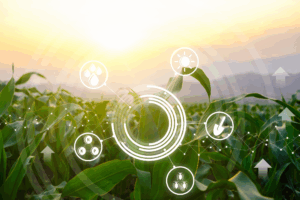 Pests and diseases represent another critical factor, having caused significant losses over the years due to growing resistance to conventional treatments. Research and new technologies applied to crops and seeds have reduced the incidence of pests and diseases, increasing productivity and reducing economic losses.
Early warning and phytosanitary monitoring systems are fundamental to detecting the presence and level of pest infestations. Scientific methods such as pheromone traps, systematic sampling, and satellite image analysis are increasingly important.
The use of specific bio-inputs and the promotion of natural enemies through ecological management practices strengthen biological control, reducing dependence on pesticides and minimizing environmental impacts. Technical training focused on correct diagnosis, resistance management, and proper calibration of application equipment is vital for farmers to implement these strategies effectively and sustainably.
Precision agriculture and productive zone management
Each agricultural area has distinct characteristics and needs. Thanks to current and accessible technological tools, such as precision agriculture, farmers can better understand the specific conditions of each plot and apply tailored treatments to optimize resources. This approach not only improves the economic profitability of farms, but also allows for higher-quality products that are better adapted to local conditions.
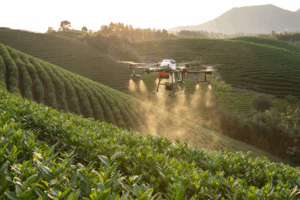
Precision agriculture can rely on different levels of technology: from field observations and simple digital records to the use of GPS, GIS systems, remote sensors, or automated weather stations. All these tools share the same goal: to provide clearer information for more efficient management of soil and crops, and to enable variable-rate application of inputs (fertilizers, water, agrochemicals), thereby optimizing yields while reducing costs and pollution.
For the progressive adoption of these technologies, it is essential to develop professional and technical training programs focused on helping farmers interpret available data (agronomic data analysis, results interpretation, and operation of digital equipment), ensuring that they can transform information into practical, manageable, and profitable decisions.
Interested in learning more about #SafeguardOurSoils?




©2025 Alltech
alltechcropscience.com | Privacy Policy