

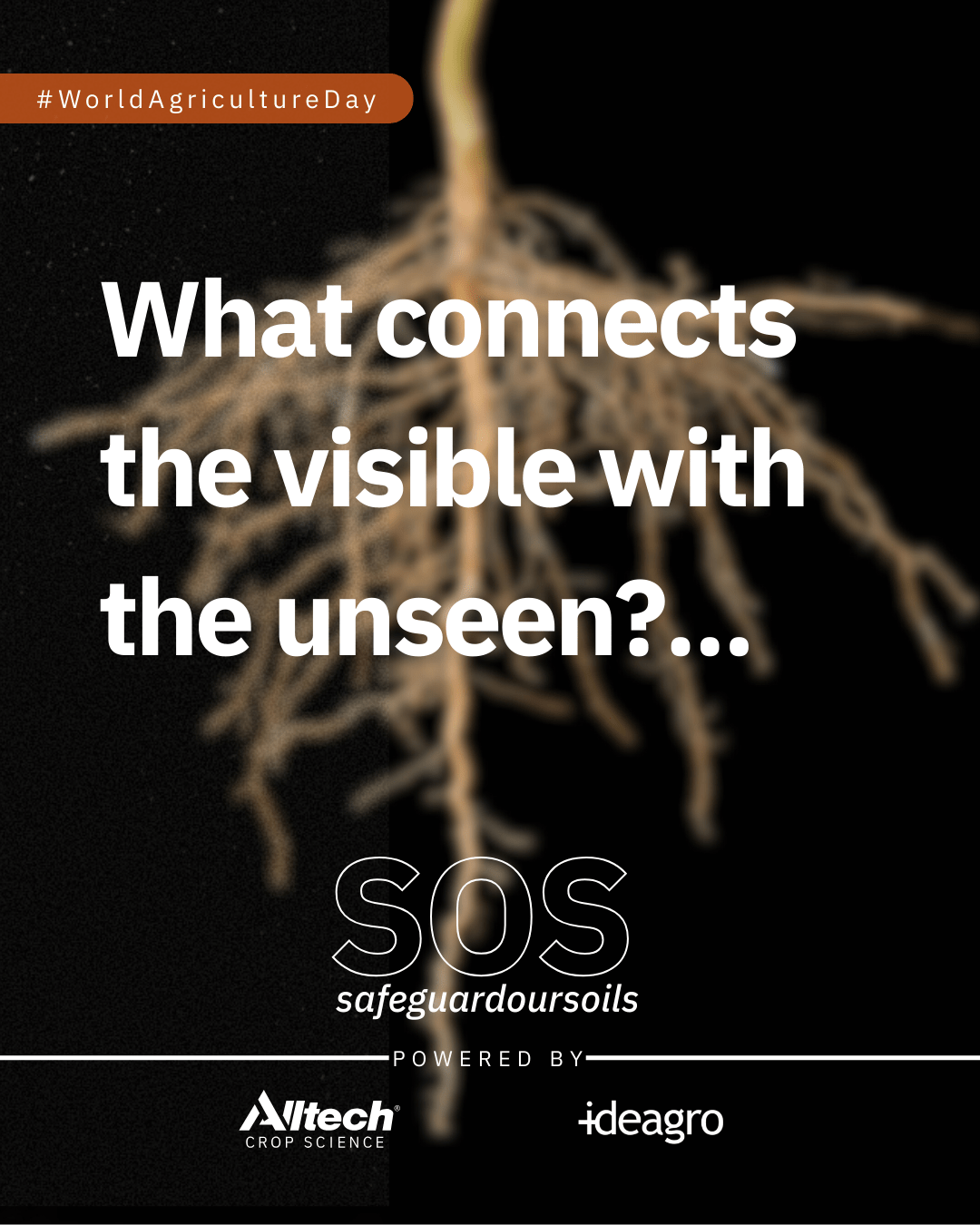
Today, on World Agriculture Day, we celebrate what we do not always see but which sustains life and ensures food production: an invisible network that connects soil, water, crops, and microorganisms.
Beneath our feet lies a universe just as complex and fascinating as the cosmos we observe in the night sky. What we perceive as simple “earth” is, in fact, a living and dynamic ecosystem, made up of billions of microorganisms that constantly transform and regenerate life. This invisible biological web not only sustains soil fertility; it is the very foundation that guarantees food production, ecosystem health, and food security.
The Soil: A Living, Dynamic Ecosystem
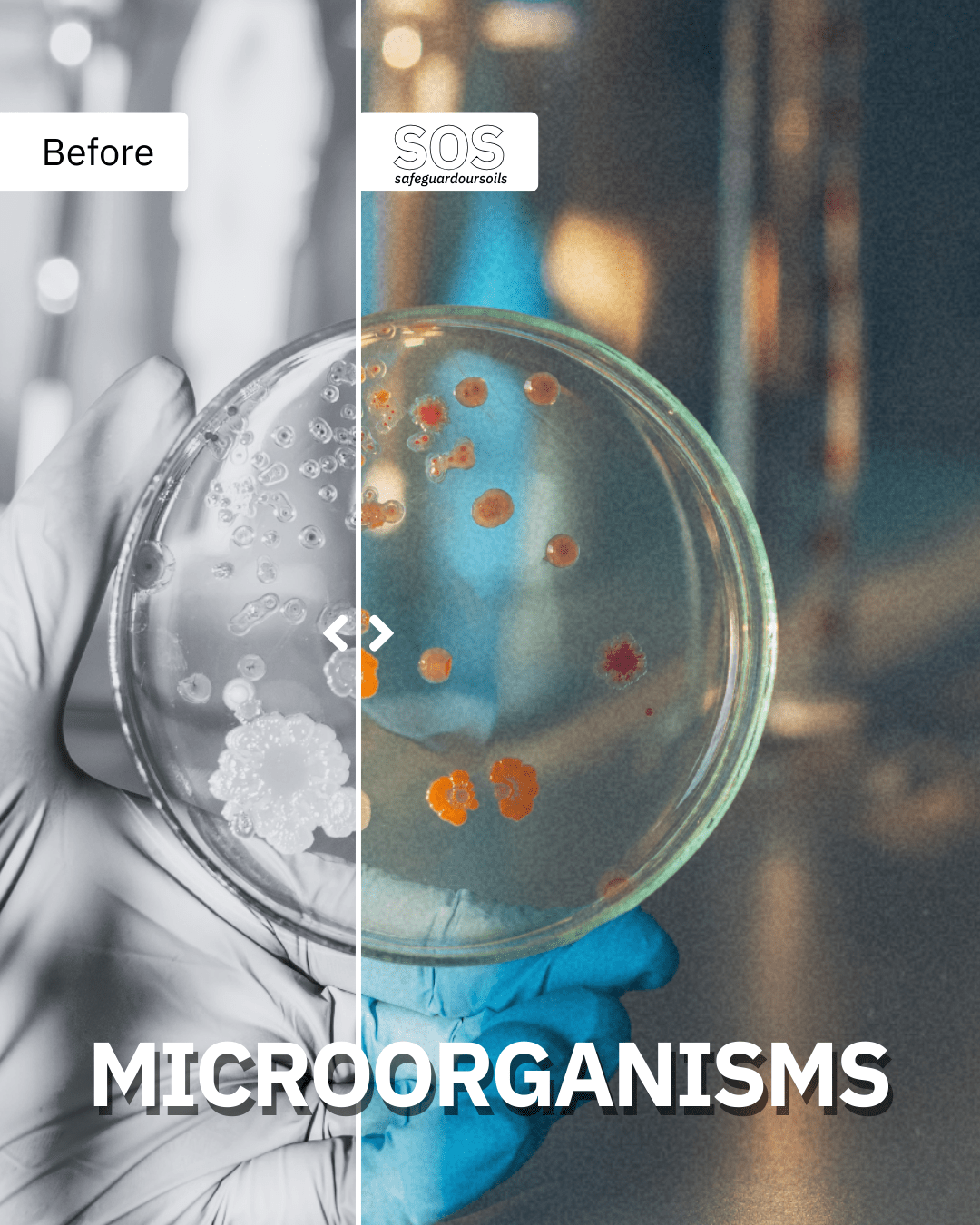
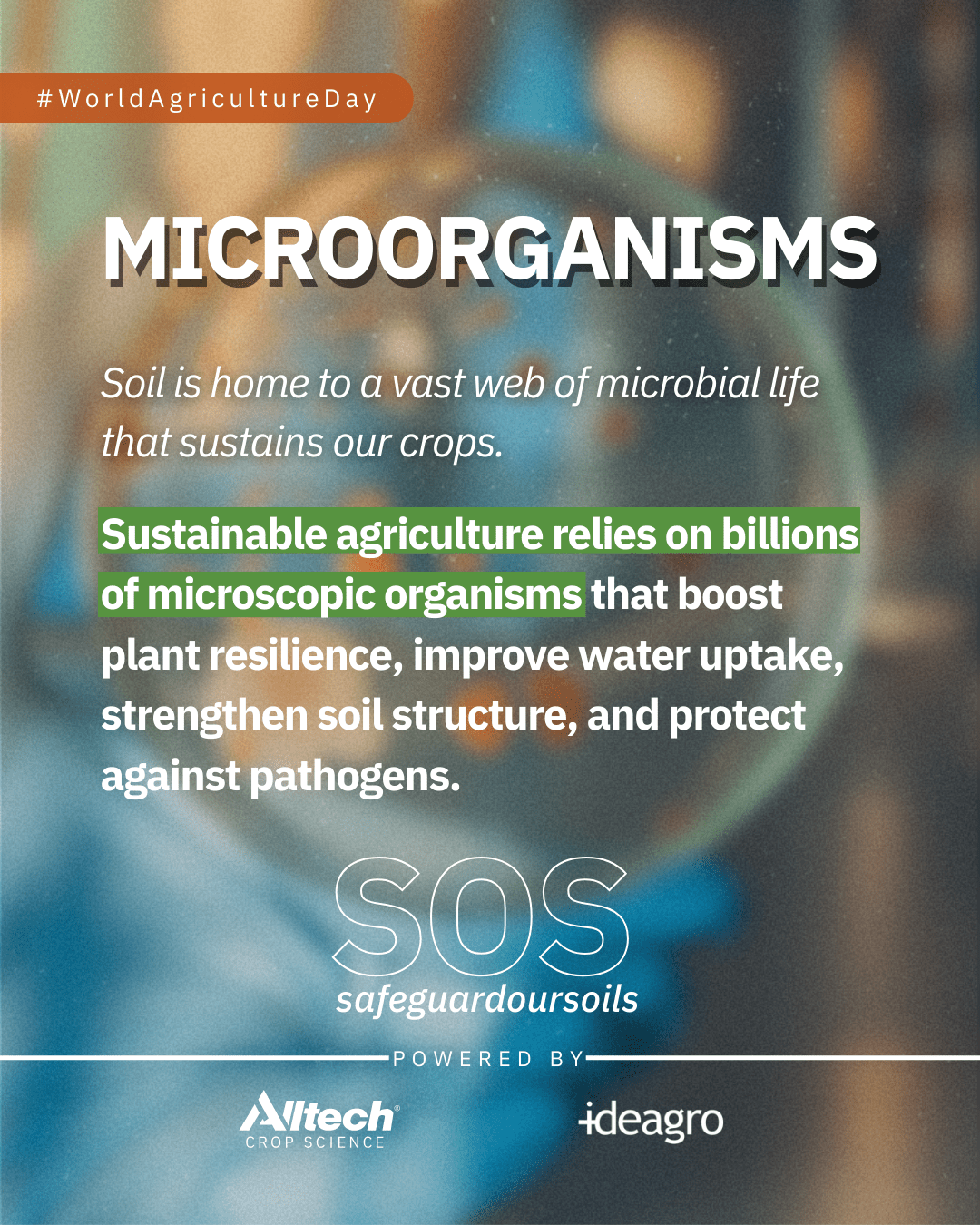
Far from being a mere physical support, soil is a dynamic and complex ecosystem. Each gram can contain billions of microorganisms: bacteria, fungi, actinobacteria, nematodes, and protozoa that, altogether, form the soil microbiota. This community transforms organic matter into plant-available nutrients, mineralizes nitrogen by converting organic compounds into inorganic forms (ammonium, nitrate), solubilizes phosphorus, sequesters carbon, and promotes structural aggregation, enhancing water retention and aeration.
Approaches such as regenerative agriculture and advanced plant nutrition recognize that soil is not just a resource but a biological system full of activity. Every harvest depends on this biological engine that recycles nutrients and generates the natural fertility that sustains all sustainable agricultural production.
An Interconnected Network: Soil, Water, Crops, and Microorganisms
Soil, water, crops, and microorganisms do not exist in isolation; they form an underground web in constant interaction. Each component depends on and strengthens the others, creating a biological system that supports life and sustainable agricultural production.
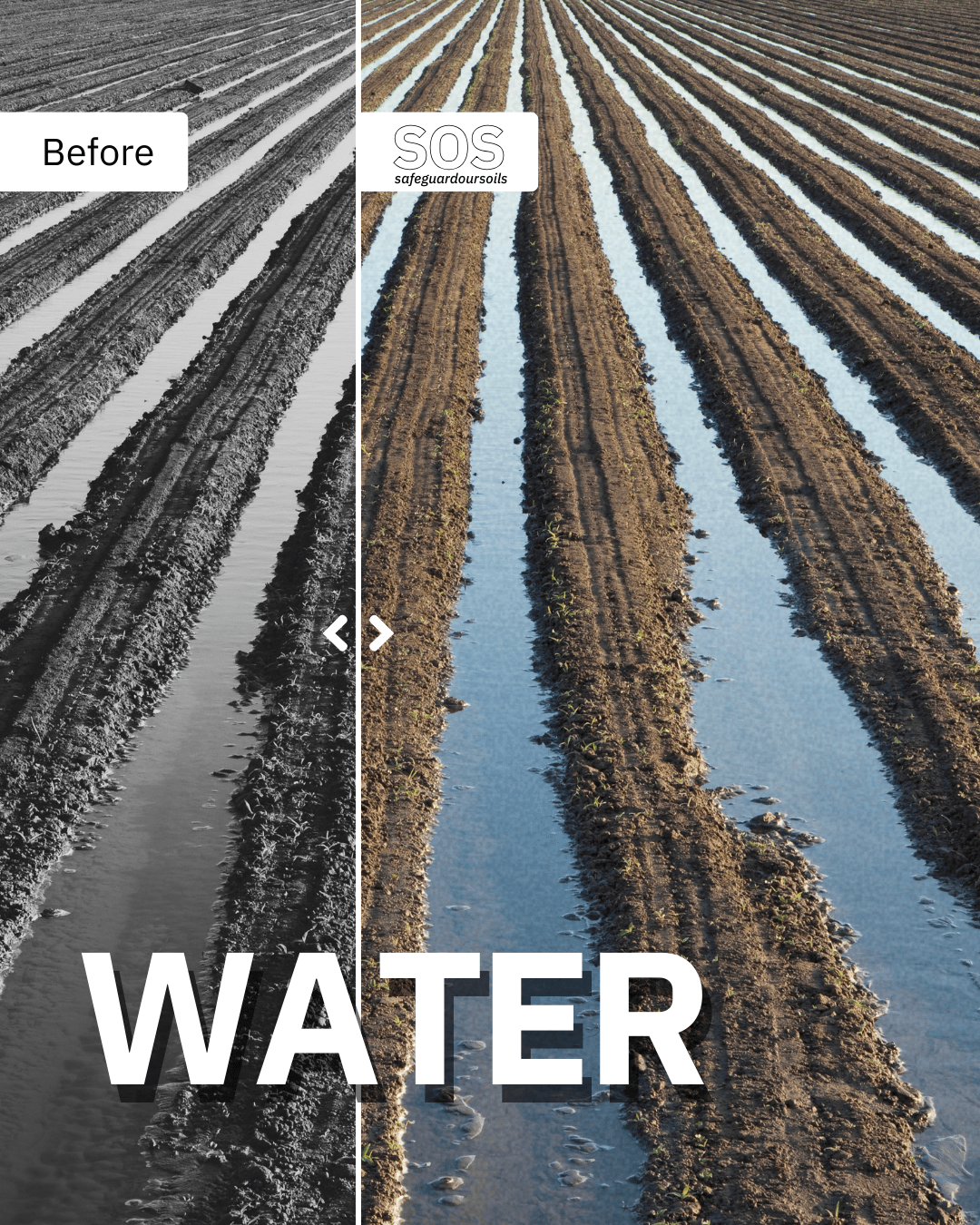
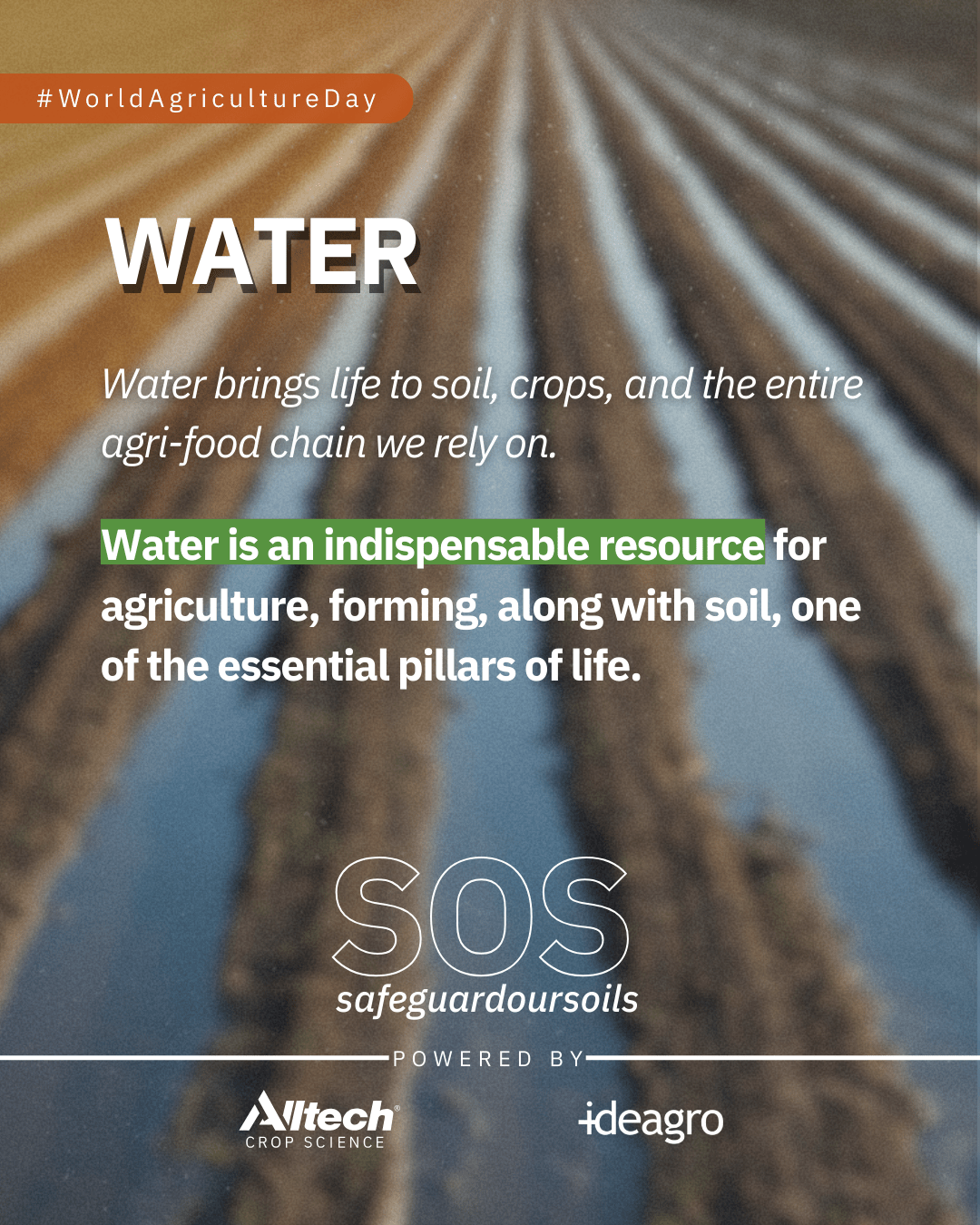
Water plays a key role in this silent alliance. Healthy soil, rich in organic matter and active microbiology, favors water infiltration and retention, allowing it to move slowly toward plant roots and underground aquifers. When soil is degraded or compacted, its ability to absorb water decreases, increasing surface runoff and erosion. This not only strips away the nutrient-rich fertile layer but also contributes to the contamination of rivers and lakes, affecting water quality for ecosystems and communities.
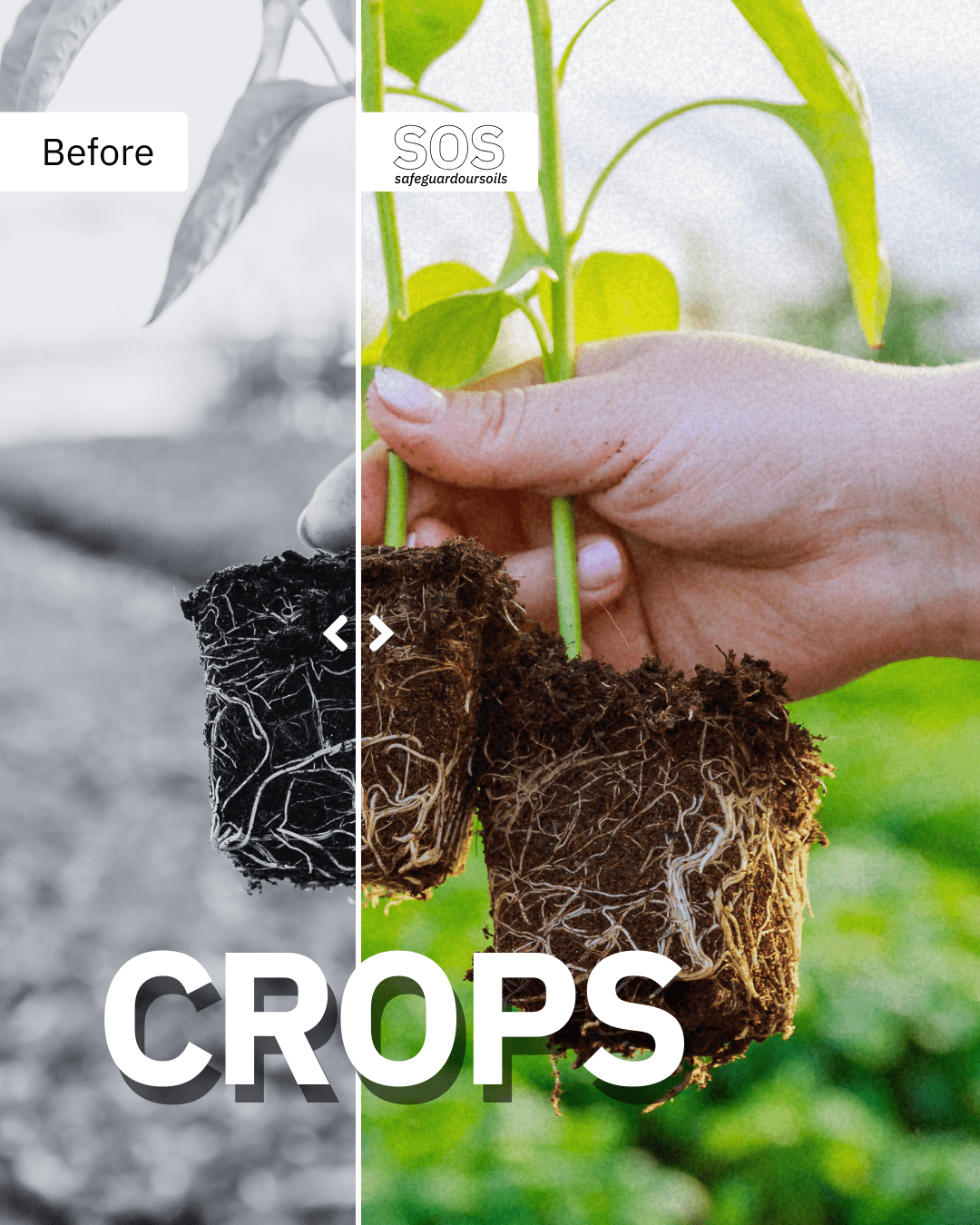
Crops, in turn, maintain constant communication with the soil through their roots. By releasing root exudates (a mixture of sugars, amino acids, organic acids, and other compounds), plants stimulate the growth and activity of specific microbial populations. These microorganisms, in return, unlock essential nutrients such as nitrogen, phosphorus, and potassium, which are often present in forms inaccessible to plants.
To explore this vital symbiotic relationship in more depth, you can read our article “Agriculture and the Microbiome: A Vital Alliance”, where we explain how this partnership sustains soil productivity and health.
This interaction also strengthens soil structure by promoting the formation of stable aggregates, improving porosity, aeration, and water retention. A well-structured soil is essential for roots to grow deep and access nutrients and moisture.
This virtuous cycle, where living soil fosters healthier crops, and healthy crops feed an active microbiota, also increases resilience against environmental stressors such as drought or salinity. Plants with robust microbiomes are better able to regulate water absorption and protect themselves from pathogens, resulting in higher productivity and crop quality.
In short, protecting and restoring this underground web is essential to maintaining soil fertility, conserving water resources, and ensuring productive, sustainable farming systems in the long term.
Caring for the unseen, feeding the future
When we care for the soil, we are not only protecting a physical resource: we are safeguarding its capacity to produce nutritious, high-quality food sustainably for present and future generations. Its structure, its microbiota, and its organic matter content are the foundation that allows crops to grow vigorously, develop deep roots, and absorb the essential nutrients they need. At the same time, we help regulate the water cycle, capture carbon, and mitigate climate change.
Ultimately, protecting the invisible is an investment in agricultural resilience, global food security, and life itself. Every action we take today to care for this biological network brings us closer to a more sustainable, productive, and secure future.
At Alltech Crop Science and Ideagro, through our Safeguard Our Soils (SOS) platform, we work to raise awareness about this invisible network that connects us all. Discover how you too can be part of this mission to safeguard tomorrow’s food security today.